
August 5, 2026
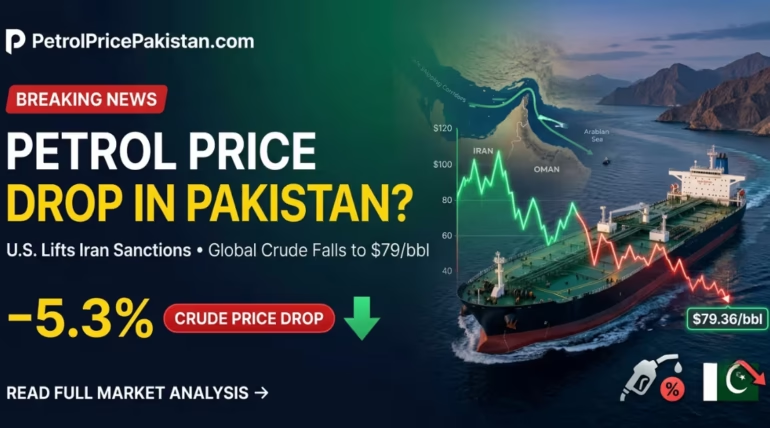
Good news for Pakistani motorists and commuters: global oil prices have crashed following a major diplomatic breakthrough between the United States and Iran, US announce sanctions left related to IRGC linked institutes. With international crude dropping to $79 per barrel, Pakistan could soon see a noticeable decrease in domestic petrol and diesel prices.
Here is a quick look at what happened, why global prices fell, and what it means for your wallet at the fuel pump.
Key Takeaways at a Glance
-
Global Oil Price Crash: Brent crude fell 5.3% to $79.36 per barrel, down from earlier highs of over $120.
-
Iran Sanctions Relief: The U.S. Treasury lifted key economic sanctions on Iran to reopen the Strait of Hormuz.
-
Lower Freight Costs: War risk insurance and shipping costs in the Gulf region are dropping fast.
-
Impact on Pakistan: Lower international purchasing costs usually lead to reduced retail fuel prices under OGRA’s pricing formula.
Why Did Global Oil Prices Crash?
The U.S. Department of the Treasury officially updated its sanctions list to lift key restrictions on Iranian oil trade. This move supports a new 60-day agreement brokered alongside Oman to secure safe passage through the Strait of Hormuz—the world’s most crucial oil shipping lane.
       [ U.S. Lifts Iran Sanctions ]
                    │
                    ▼
     [ Strait of Hormuz Reopens Safely ]
                    │
                    ▼
  [ Brent Crude Drops 5.3% to ~$79/Barrel ]
                    │
                    ▼
[ Lower Import & Freight Costs for Pakistan ]
For months, fears of military conflicts and blocked shipping routes kept oil prices artificially high. Now that oil tankers can move safely through Iranian and Omani waters without threat of blockades, the war premium on oil has dissolved overnight.
How Does This Affect Petrol Prices in Pakistan?
Pakistan imports the vast majority of its crude oil and refined petroleum from the Middle East. When global markets cool down, Pakistan benefits in two major ways:
1. Cheaper Import Parity Price
The Oil & Gas Regulatory Authority (OGRA) calculates local petrol and diesel prices based on international Arab Gulf prices. When international prices drop from $120 down to $79 per barrel, the base cost for Pakistan State Oil (PSO) and private companies drops significantly.
2. Reduced Shipping & Freight Charges
Because the Strait of Hormuz is safer now, international shipping lines no longer need to charge extra “war risk” insurance fees on oil tankers bound for Pakistani ports. Cheaper shipping means lower landed costs at the Karachi port.
Will Petrol Prices Actually Go Down in Pakistan?
Unless the government decides to increase the Petroleum Development Levy (PDL) or adjust sales taxes, a reduction in local petrol and diesel prices is highly likely during the upcoming price review.
Lower petrol prices do not just help car and bike owners—they also help reduce:
-
Public transport fares for daily commuters.
-
Goods transport costs for food and essential items.
-
Overall inflation across the country.
Summary
The lifting of U.S. sanctions on Iran and the reopening of the Strait of Hormuz is a massive win for energy-importing nations like Pakistan. As long as global crude stays around the $79 mark, Pakistani consumers can look forward to much-needed relief at the petrol pump.