
June 29, 2026
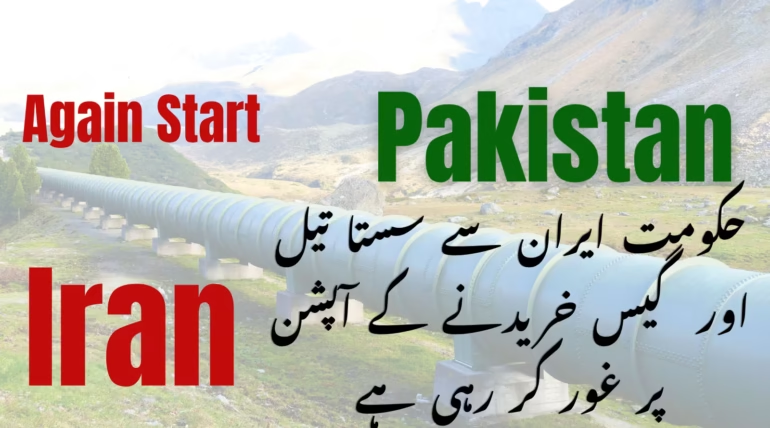
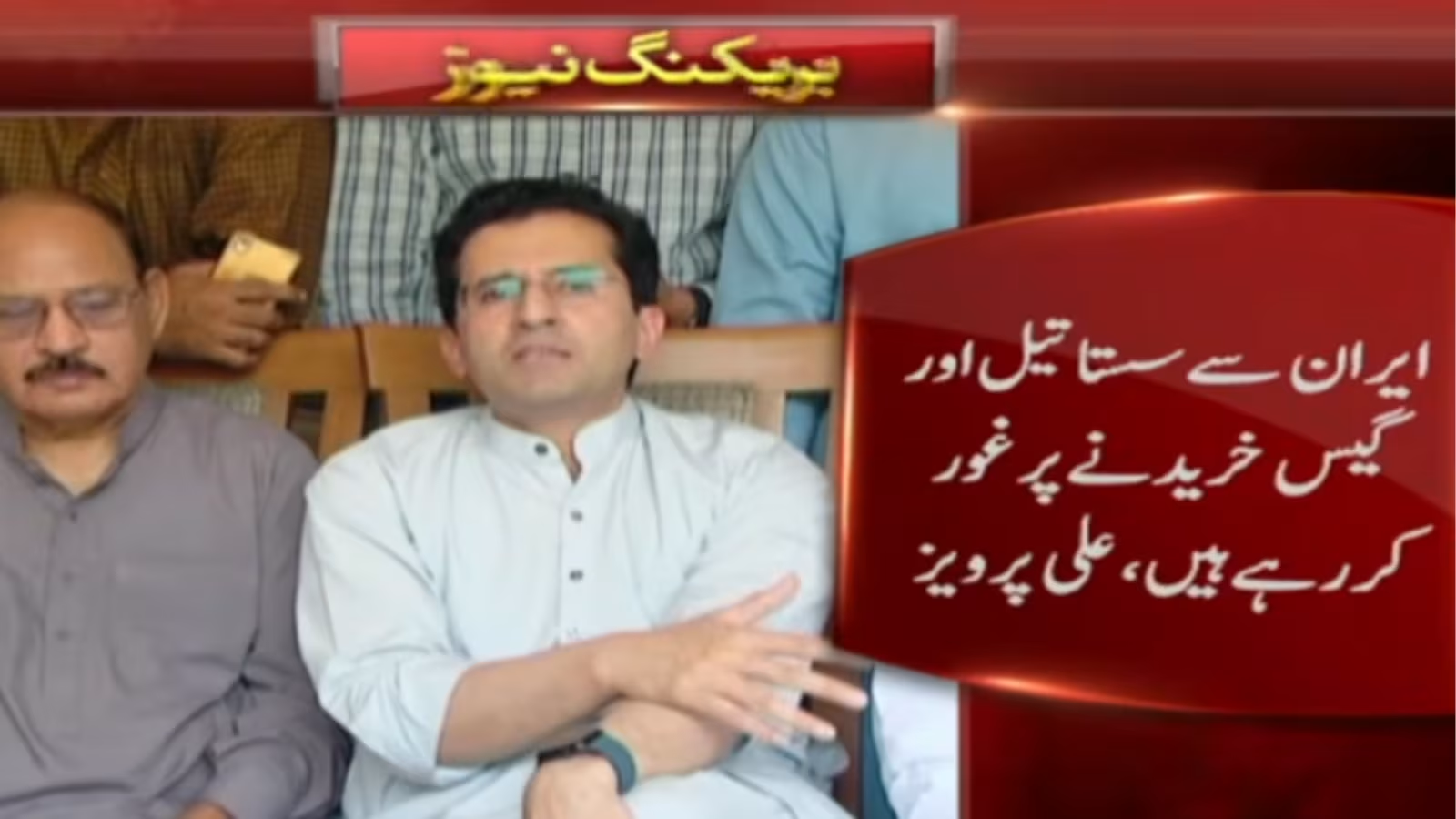
Islamabad: Pakistan is preparing to finalize deals to import natural gas and oil from neighboring Iran. This move comes hot on the heels of the recent easing of international sanctions against Tehran, opening a door that has been firmly shut for nearly a decade.
For the average Pakistani driver and bikers filling up their tank, this news might seem like distant geopolitics. But for the economy, it signals a potential shift that could directly impact the price of gas and oil like petrol, diesel, and even electricity in the coming months.
Simple breakdown of what this deal means, why it is happening now, and how it could affect your household budget.
The End of the “Gas and Oil Curtain”
For years, Iran has been under severe economic sanctions by the United States and other Western powers. The sanctions made it nearly impossible for countries to buy Iranian oil without facing severe penalties. This forced Pakistan to rely on expensive imports from the Middle East, which often came with high shipping costs and long delivery times.
Now that the sanctions have been relaxed, Pakistan sees a golden opportunity. The two countries share a long land border, which makes Iran a natural and cost-effective trading partner. Think of it this way: buying oil from a neighbor is much cheaper and quicker than buying it from a country across the ocean.
The Mechanics of Pak Iran gas and oil imports
According to sources within the Ministry of Energy, Pakistan is not just looking to buy iranian oil; it is looking at a comprehensive energy package. This includes:
- Crude Oil: For processing in Pakistani refineries.
- Refined Petrol and Diesel: To immediately meet the rising domestic demand.
- Natural Gas: To power industrial zones and generate electricity.
The most interesting part of this negotiation is the payment method. Pakistan is currently facing a severe shortage of US dollars, which makes paying for international goods difficult. To solve this, the two nations are discussing a barter system. In simple terms, Pakistan might pay for Iranian oil by exporting Pakistani goods—such as rice, textiles, or surgical instruments—instead of wiring cash. This is a “win-win” because Iran gets the food and products it needs, while Pakistan gets the fuel it desperately requires without draining its foreign exchange reserves.
What Does This Mean for Petrol Prices?
Currently, Pakistan’s petrol prices are heavily influenced by the global market, shipping costs, and the currency exchange rate. When the dollar goes up, fuel prices go up. However, importing from Iran changes this equation.
- Lower Freight Costs: Since Iran is a neighbor, the shipping costs (freight charges) will drop significantly compared to imports from the Gulf or the Far East.
- Payment Easing: If a barter system is successful, it reduces the pressure on the Rupee. If the Rupee stabilizes, the price at the pump may not need to rise as aggressively as it has in the past.
Experts are cautiously optimistic.
Dr. Salman Ahmed, a prominent energy economist, told our team: “If Pakistan can secure a stable supply of gas and oil from Iran at a discounted rate, we could see a stabilization in domestic fuel prices within 6 to 8 months. However, the government must ensure the infrastructure at the border is ready to handle the volume.”
Challenges Still Remain
While this news is exciting, it is not without hurdles. The United States has agreed to lift sanctions, but there are still strict monitoring rules in place. Pakistan must ensure that its banking transactions comply with international regulations to avoid falling back into the “black list.”
Furthermore, the refineries in Pakistan will need to process the Iranian crude oil. This requires technical adjustments and testing to ensure it meets the quality standards for Pakistani vehicles.
The Pipeline Issue
There has been talk for decades about the “Iran-Pakistan (IP) Gas Pipeline.” This project has been delayed repeatedly due to sanctions. With the recent thaw in relations, there is renewed hope that this pipeline could finally be completed. Once operational, the IP pipeline would supply gas directly to Pakistani homes and industries, reducing the need for expensive LNG (Liquefied Natural Gas) imports.
Conclusion
Pakistan’s move to resume gas and oil imports from Iran is a pragmatic decision in a time of economic crisis. It leverages geography to solve economic problems. For the common man, it offers a glimmer of hope that the relentless rise in petrol prices might finally meet a ceiling.
Stay tuned, we will be monitoring the progress of these negotiations daily. As soon as the first shipment is confirmed, and more importantly, as soon as the price impact hits the local market, we will be the first to bring you the news. The era of high-cost energy might be coming to an end, and a new chapter of regional cooperation is just beginning.
Disclaimer: This is a developing story. The final agreements and pricing structures are subject to government approval and international trade compliance.