
US-Iran War 2026: Impact on Fuel Prices in Pakistan – Complete Analysis
Published: March 2, 2026 | Category: Fuel Price Analysis | Reading Time: 7 minutes
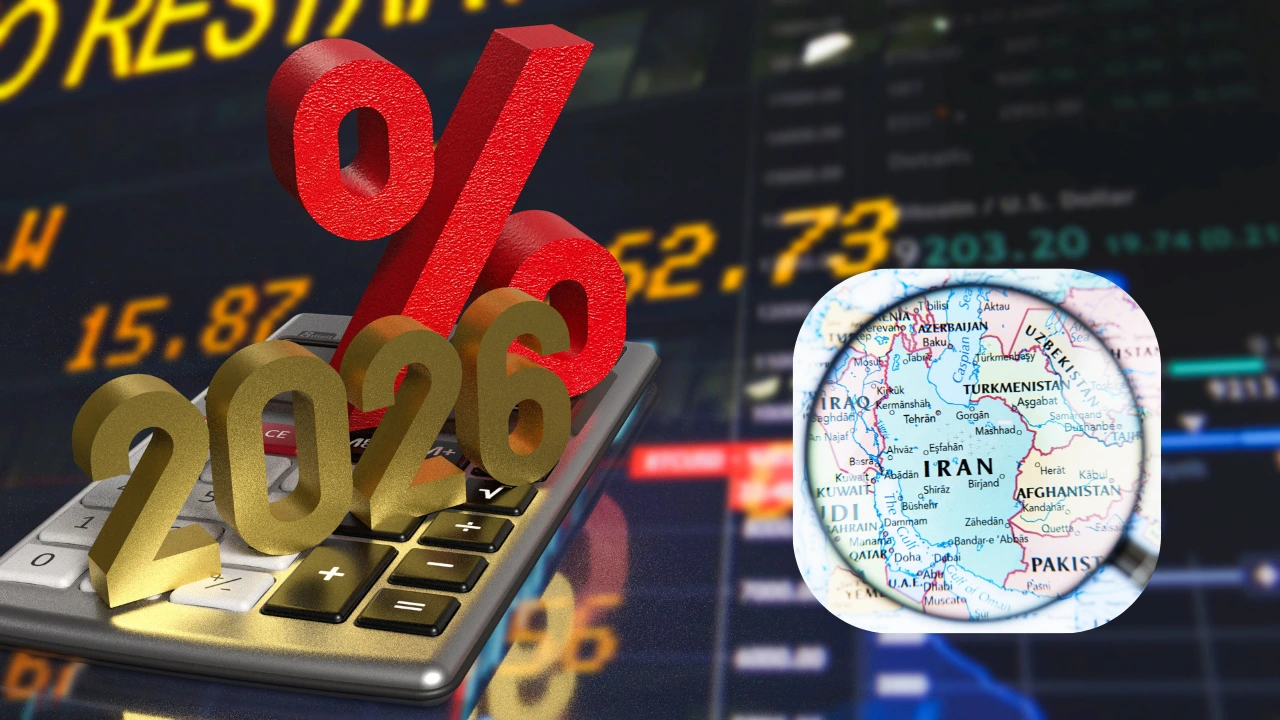
The Middle East is on fire. On February 28, 2026, the United States and Israel launched coordinated military strikes against Iran, triggering a dramatic escalation that has sent shockwaves through global energy markets and left Pakistan facing potentially severe economic consequences.
Within hours of the attack, international oil prices surged—Brent crude spiked nearly 14%, and West Texas Intermediate climbed almost 12%. For Pakistan, a net oil importer already grappling with high inflation and an IMF program, this conflict couldn’t come at a worse time.
This article provides a comprehensive analysis of how the US-Iran war is affecting fuel prices in Pakistan, what the government is doing to protect consumers, and what you can expect in the coming weeks.
The Geopolitical Crisis – What Happened?
- On February 28, 2026, the United States and Israel launched joint airstrikes inside Iran, including areas near the capital Tehran.
- The strikes reportedly killed several high-ranking Iranian officials, including Supreme Leader Ayatollah Ali Khamenei and Defense Minister Aziz Nasserzadeh.
- Iran retaliated immediately, firing missiles at Israeli positions and US military bases across multiple Gulf nations, including Kuwait, the United Arab Emirates, Bahrain, and Qatar.
- The conflict has effectively shut down normal operations in the region, with the Strait of Hormuz through which approximately 20% of global seaborne oil passes, becoming a war zone.
- For Pakistan, this is not a distant conflict.
- The country shares a border with Iran, has significant sectarian and security implications to manage, and relies heavily on Gulf imports for its energy needs.
Immediate Impact – Fuel Prices Hike by Rs 8 Per Litre
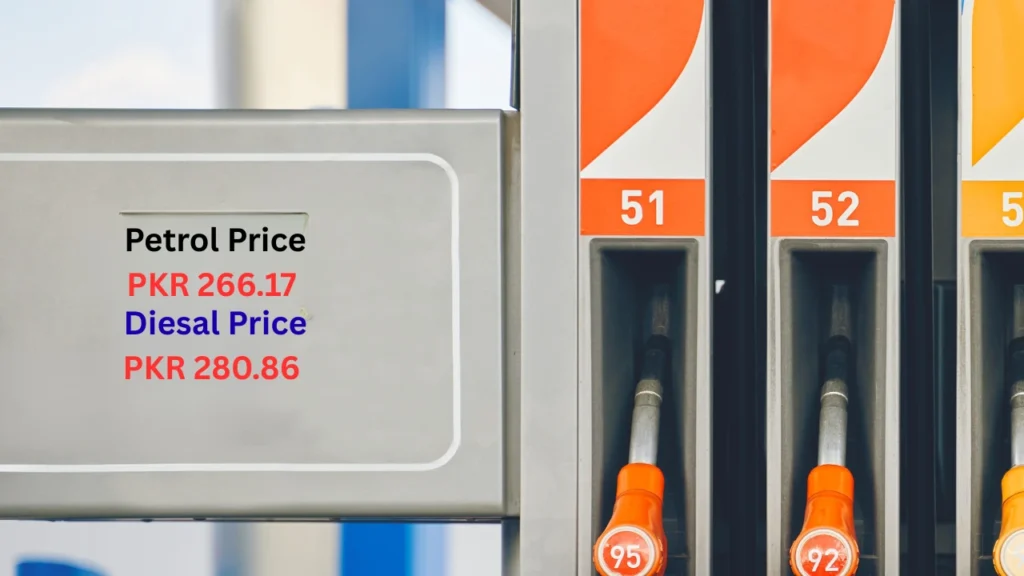
The first and most direct impact on Pakistani consumers came within 24 hours. On March 1, 2026, the government issued a notification revising fuel prices upward for the next fortnight.
| Fuel Type | Previous Price (Feb 16–28) | New Price (March 1–15) | Increase |
| Petrol | Rs 258.17 per litre | Rs 266.17 per litre | ▲ + Rs 8.00 |
| High-Speed Diesel (HSD) | Rs 275.70 per litre | Rs 280.86 per litre | ▲ + Rs 5.16 |
The Ministry of Energy’s notification stated that the revision was based on OGRA’s recommendations, reflecting changes in international oil prices and exchange rate movements. Significantly, the notification explicitly acknowledged that the hike occurred “amid increased tensions in the Middle East, a day after the US and Israel launched airstrikes against Iran”.
For Pakistani consumers, this means:
- Filling a standard 50-litre car tank now costs Rs 13,308—up Rs 400 from just two weeks ago
- Diesel users face even steeper costs, with transport and agriculture sectors bearing the brunt
- Inflationary pressures will mount as higher transport costs ripple through food and goods prices
Government’s Emergency Response
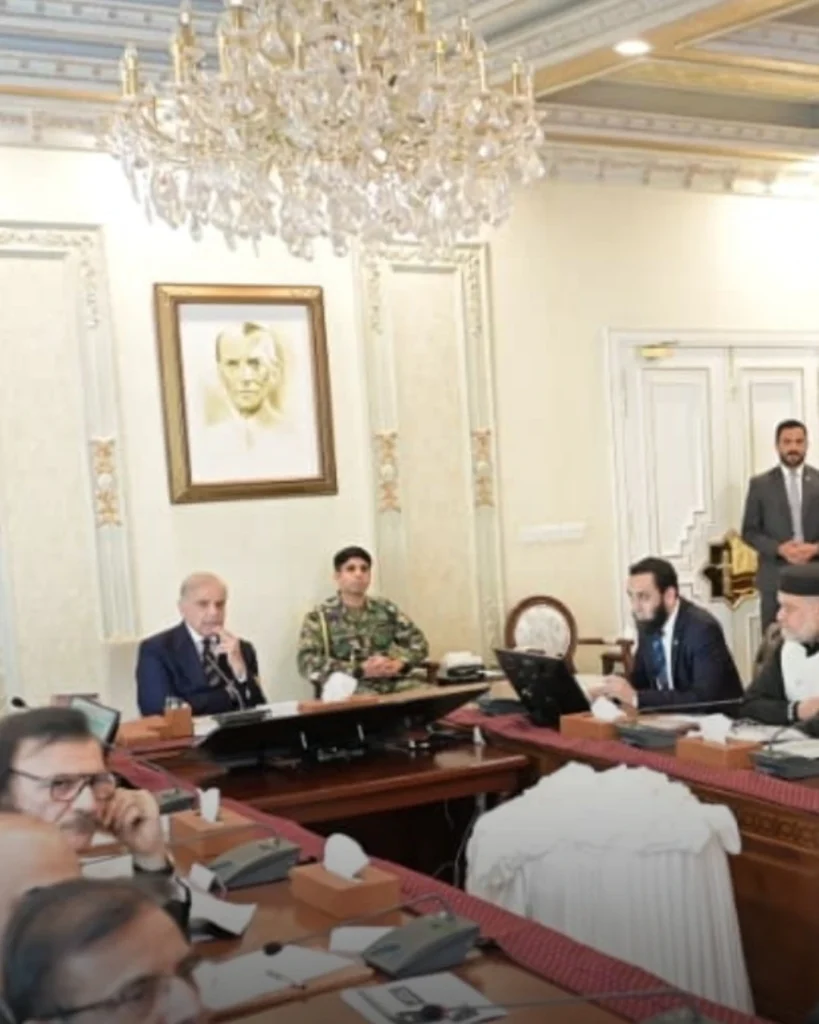
The government has moved swiftly to address the crisis, implementing multiple layers of response.
A. High-Level Committee Formed
On March 1, Prime Minister Shehbaz Sharif constituted an 18-member high-level committee to evaluate the impact of rising international oil prices on Pakistan’s economy.
Committee Composition:
- Convener: Finance Minister Muhammad Aurangzeb
- Members: Ministers for Petroleum and Power, State Bank Governor, secretaries of key ministries, FBR chairman, OGRA chairman, MDs of PSO, PLL, SNGPL, SSGC-LPG, and representatives from intelligence agencies
Committee Mandate:
- Track forward and futures prices of petroleum products
- Evaluate supply chain predictability amid the conflict
- Assess foreign exchange implications of oil price movements
- Propose measures for an uninterrupted petroleum supply
- Analyze the fiscal impact of prolonged conflict
The committee is meeting daily and submitting reports directly to the prime minister.
B. Fuel Stockpiling Ordered
OGRA has directed all oil marketing companies, refineries, and stakeholders to maintain sufficient reserves of crude oil, petrol, diesel, and LPG
The directive requires:
- Immediate stockpiling of critical petroleum products
- Strict oversight on imports
- Rapid compliance reports from all entities
C. Government Assurance to Public
Despite the crisis, the government has assured the nation that Pakistan has ample fuel stocks.
Key assurances from a high-level meeting chaired by Finance Minister Aurangzeb and Petroleum Minister Ali Pervaiz Malik :
- State Bank guarantee: No delays in oil-related payments
- Cnergyico: Has 1 million barrels of US crude at port, with 2 million more arriving in March via routes avoiding the Strait of Hormuz.
- NRL: Sourcing crude from Fujairah with no disruption foreseen
- Finished product stocks: Sufficient for more than one month
- Major OMCs: Supply chains remain intact; no shortage situation
Why This Conflict Is Different – The Strait of Hormuz Factor
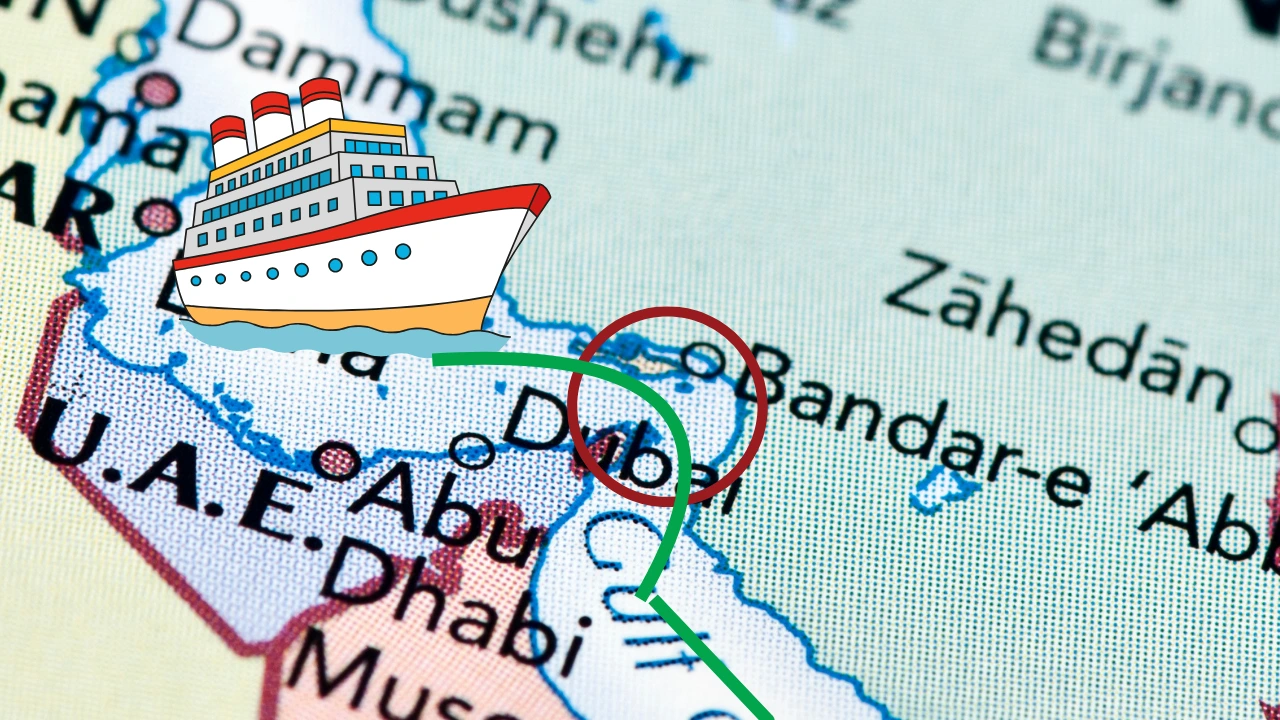
The Strait of Hormuz is the world’s most important oil chokepoint. Located between Iran and Oman, this narrow waterway handles about 20% of the global seaborne oil trade.
Why it matters for Pakistan:
- The vast majority of Pakistan’s oil imports pass through this strait
- Any disruption—whether military action, insurance withdrawal, or vessel avoidance—directly threatens supply
- During the current conflict, multiple ships have reportedly been attacked in the area
Expert warning: Mohammad Faisal, Executive Director of CORE Indonesia, warns that if oil supply through Hormuz is disrupted, prices could surpass $100 per barrel. Brent crude was trading around $70 before the conflict.
Economic Implications for Pakistan
Beyond the immediate price hike, the US-Iran war poses significant risks to Pakistan’s fragile economic recovery.
A. Import Bill and Current Account
Pakistan recently posted a modest current account surplus after years of deficits, helped by import compression and higher remittances. A sustained surge in crude prices could reverse those gains.
Economist Farrukh Saleem warns: “An increase in crude materially widens the import bill, pressures the current account and weakens the rupee.”
B. Inflation
Pakistan’s inflation, which peaked at 38% in May 2023, had eased to single digits. Higher fuel prices will:
- Directly increase transport costs
- Ripple through food and goods prices
- Limit the State Bank’s room to ease policy rates
C. Remittances
KP Finance Minister Muzzammil Aslam warns that a wider Gulf conflict could undermine Pakistan’s $41 billion remittance target for this fiscal year. Many Gulf countries host millions of Pakistani workers whose remittances are vital to their balance of payments.
D. Aviation Sector
Pakistan International Airlines has already suspended flights to the UAE, Bahrain, Doha, and Kuwait, with services to Saudi Arabia rerouted. PIA spokesperson Abdullah Hafeez Khan stated: “The monetary impact can run in millions of rupees because one flight costs us as much as Rs 2 million.”
E. Investor Confidence
Former state minister Haroon Sharif warned: “A prolonged conflict will lead to capital outflows.”
Future Scenarios – What to Expect
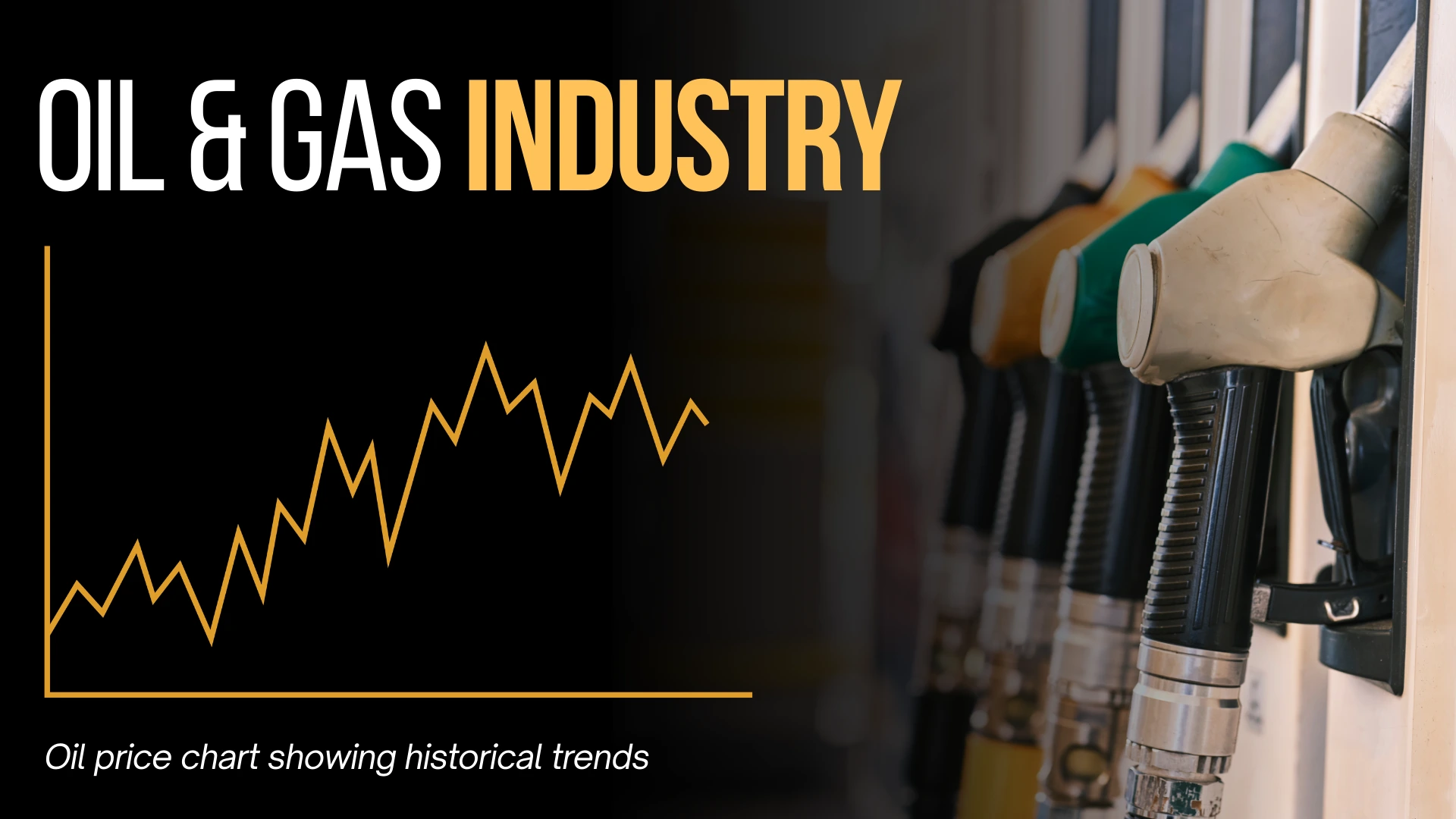
Scenario 1: Limited Conflict (More Likely)
- Sanctions or strikes curb Iran’s exports without full Strait closure
- Iran produces ~3.5 million barrels daily (<3% of global supply)
- Oil rises toward $80 per barrel
- Pakistan faces modest price increases but a manageable impact
- OPEC+ could increase production to calm markets
Scenario 2: Sustained Disruption (Worst Case)
- Tanker traffic through Hormuz was severely disrupted
- Direct shock to the global supply
- Brent crude surges past $100 per barrel
- Shipping insurers pull back; vessels avoid the route
- Pakistan faces severe import bill pressure, rupee depreciation, and an inflation spike
Economist Farrukh Saleem notes a historical pattern: “Most Middle East conflicts since 2006 have followed a pattern: sharp opening strikes, controlled retaliation, backchannel de-escalation”. However, this conflict involves unprecedented direct strikes on Iranian leadership, making outcomes highly uncertain.
For ordinary Pakistanis, the US-Iran war translates into tangible financial pressure.
Short-Term (Next 2 Weeks)
- Petrol at Rs 266.17 per litre until March 15
- Diesel at Rs 280.86 per litre
- Possible further increases if global prices remain elevated
Medium-Term (Next 1–3 Months)
- If oil stays above $80, expect cumulative increases of Rs 15–25 per litre
- Transport fares likely to rise
- Food prices will follow
- Possible rupee depreciation adds further pressure
Government Protection Measures
- Strategic reserves sufficient for 30+ days
- Daily monitoring by a high-level committee
- Alternative sourcing routes are being explored
Practical Tips for Pakistani Drivers
While you cannot control global geopolitics, you can control your fuel consumption. Here are immediate steps to protect your budget:
- Check prices before filling up: Visit PetrolPricePakistan.com for the latest OGRA-notified rates
- Combine trips: Reduce unnecessary travel; plan errands efficiently
- Maintain tyre pressure: Under-inflated tyres increase consumption by 3–5%
- Drive smoothly: Avoid rapid acceleration and hard braking
- Consider carpooling: Share rides with colleagues or neighbors
- Service your vehicle: Clean air filters and proper oil reduce consumption
- Monitor government announcements: Price changes occur fortnightly on the 1st and 16th
Summary
The US-Iran war of 2026 has ushered in a period of profound uncertainty for global energy markets and Pakistan’s economy. The immediate impact—an Rs 8-per-litre increase—is already being felt at pumps nationwide. But the more pressing concern is what comes next.
If the conflict remains contained, Pakistan may escape with manageable pain. If it escalates into a prolonged confrontation that disrupts the Strait of Hormuz, the consequences could be severe: higher inflation, a wider import bill, pressure on the rupee, and potential stress on the country’s IMF program.
What is certain is that vigilance and preparation are essential. The government’s high-level committee, daily monitoring, and stockpiling orders are prudent steps. For consumers, adopting fuel-efficient habits and staying informed through reliable sources like PetrolPricePakistan.com are the best defenses against uncertainty.
Frequently Asked Questions
1. How much has petrol increased after the US-Iran war?
Petrol prices increased by Rs 8 per litre effective March 1, 2026, from Rs 258.17 to Rs 266.17 per litre.
2. Why did diesel increase less than petrol?
Diesel increased by Rs 5.16 per litre, compared to petrol’s Rs 8. The difference reflects global product price differentials and government considerations for transport and agriculture sectors, which rely heavily on diesel.
3. Will there be a fuel shortage in Pakistan?
The government has assured that stocks are sufficient for more than one month and that supply chains remain intact. OGRA has ordered stockpiling as a precaution.
4. How high could oil prices go?
If the conflict remains limited, oil may stay around $80 per barrel. If the Strait of Hormuz is severely disrupted, prices could surpass $100 per barrel.
5. What is the government doing to protect consumers?
The government has formed an 18-member high-level committee that meets daily to monitor prices, ensure supply, and assess fiscal impact. Strategic reserves are being maintained, and alternative sourcing routes are being explored.
6. How does the Strait of Hormuz affect Pakistan?
About 20% of global seaborne oil passes through Hormuz. Most of Pakistan’s oil imports transit this route. Any disruption directly threatens supply and prices.
7. Will inflation increase because of this?
Yes. Higher fuel prices increase transport costs, which ripple through food and goods prices. Economists warn that this could reverse recent gains in inflation.
8. Should I panic buy fuel?
No. The government has assured adequate stocks. Panic buying creates artificial shortages and does not help. Continue normal filling habits.
9. How can I check the latest prices?
Visit PetrolPricePakistan.com for real-time updates on fuel prices across all major cities, updated fortnightly after OGRA notifications.
10. When will prices be reviewed again?
The next price review will occur around March 15, 2026, for the March 16–31 period. The high-level committee is monitoring daily and may recommend adjustments if global prices change significantly.
Article Tahir Subhani
Last updated: March 2, 2026
Sources: OGRA notifications, Ministry of Petroleum,