
Fuel Efficiency Hacks: How to Save Petrol in Your Daily Life (Pakistan Guide 2026)
Published: February 17, 2026 | Category: Fuel Saving Tips | Reading Time: 8 minutes
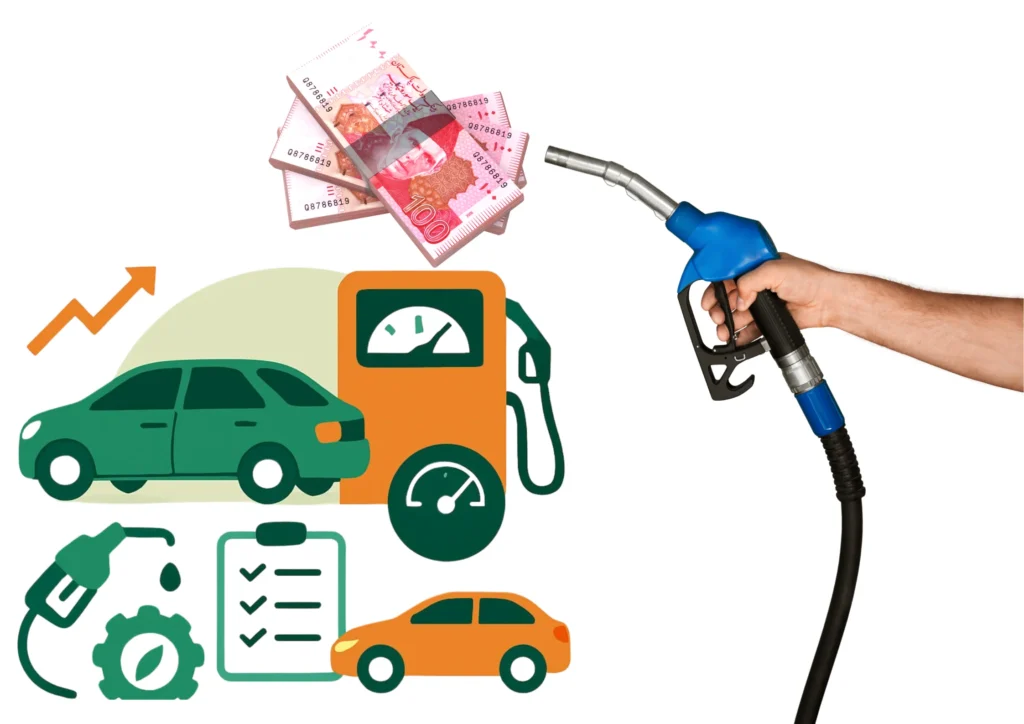
Practical petrol saving tips in Pakistan that actually work. From driving habits to maintenance, start saving thousands on fuel starting this week. The moment you open the fuel cap, your wallet feels lighter, with petrol now priced at Rs 258.17 per litre and diesel at Rs 275.70 per litre following the latest February 2026 hike. Filling up a standard 50-litre tank costs over Rs 12,900, a staggering amount for middle-class families already grappling with inflation.
But here’s the reality check: while you cannot control global oil prices, the weakening rupee, or government taxes, you have complete control over how you drive and maintain your vehicle. Experts confirm that adopting smart driving habits can reduce fuel consumption by up to 20%. For the average Pakistani commuter driving 1,500 km per month, this translates to Rs 4,000 to Rs 7,000 in monthly savings.
This comprehensive guide offers practical, actionable tips tailored to Pakistani roads—from Karachi’s stop-start traffic to Islamabad’s signals and Lahore’s congested thoroughfares. No irrelevant theory, just proven methods to make every rupee count.
Why Fuel Efficiency Matters More Than Ever in Pakistan
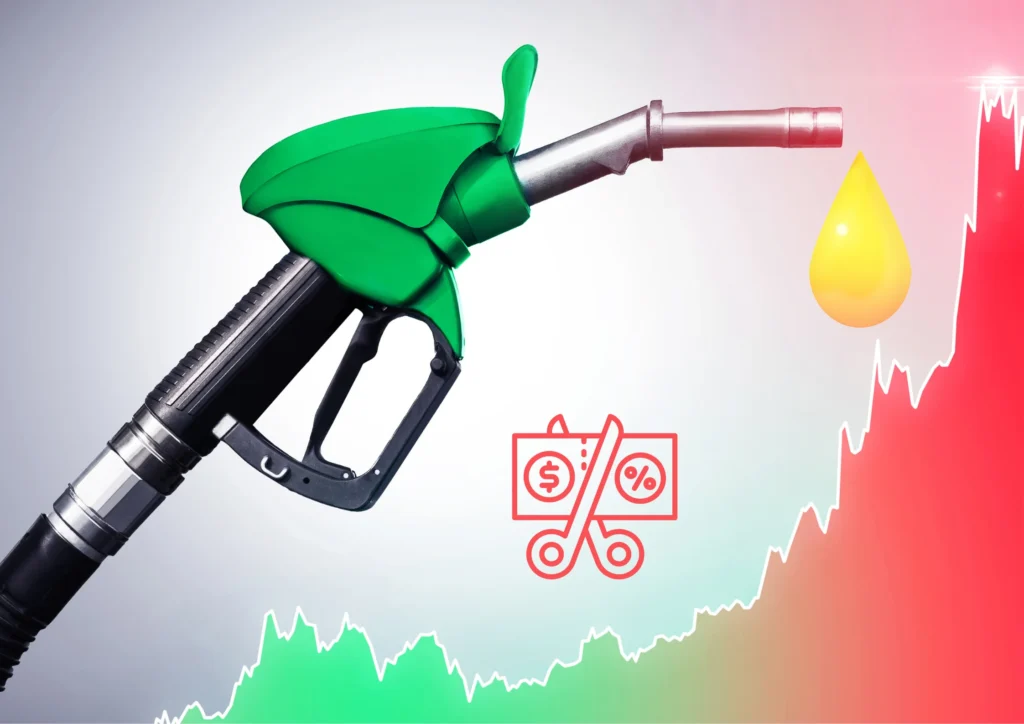
Pakistan’s fuel pricing structure reveals a harsh truth: 39% of what you pay for petrol goes to taxes and government levies. On every litre of petrol, you pay:
- Petroleum Levy: Rs 87.00 per litre
- Climate Support Levy: Rs 2.50 per litre
- Custom Duty: Rs 17–18 per litre
- Distribution & Dealer Margins: Rs 17.00 per litre
Total government charges: Approximately Rs 123.50–124 per litre
For diesel users, the tax component is 34%, with a petroleum levy of Rs 79 per litre plus additional charges. These are fixed costs regardless of global oil prices.
Beyond personal savings, fuel efficiency has national importance. Transport consumes over 35% of Pakistan’s imported fuel. When you save fuel, you also help reduce the country’s import bill and dependency on foreign oil.
Vehicle Maintenance—The Foundation of Fuel Efficiency
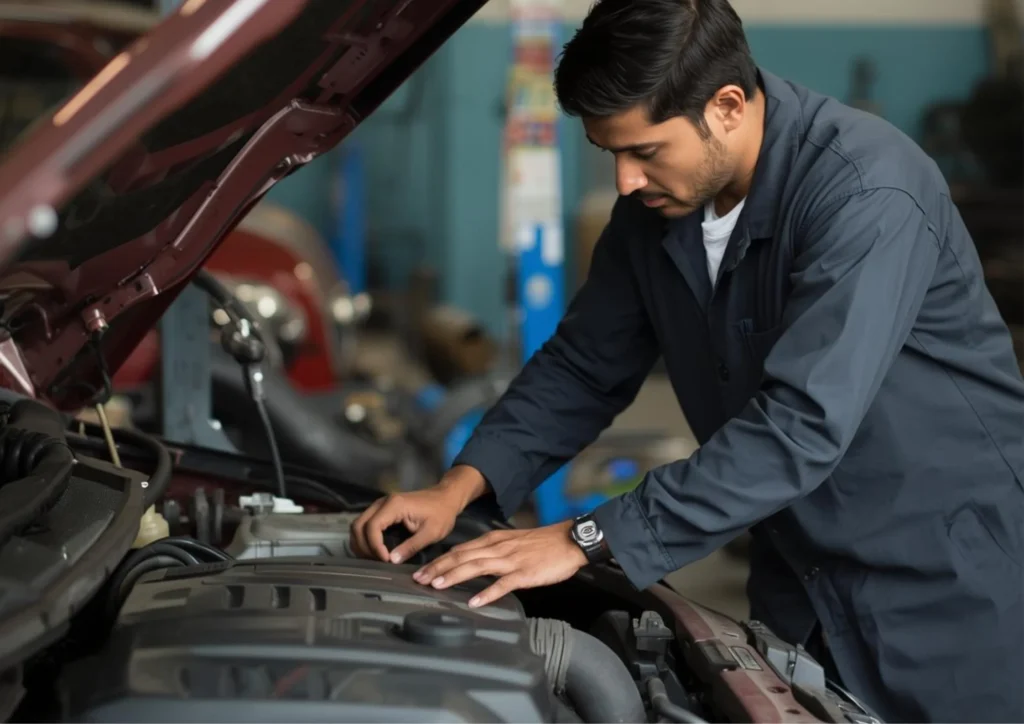
Your car’s mechanical condition is the single biggest factor determining fuel consumption. Even the most careful driving cannot compensate for poor maintenance.
A. The Air Filter: Your Engine’s Lungs
In Pakistani cities—Lahore with its smog, Karachi with its dust, and Islamabad with its construction—air filters clog faster than manufacturer recommendations.
Why it matters: A clogged air filter restricts airflow, forcing your engine to work harder and burn more fuel to maintain power. It disrupts the ideal air-fuel mixture, leading to incomplete combustion.
Practical tip: Get your air filter checked every 2,000–2,500 km, not just at standard service intervals. In high-dust areas like Faisalabad or Multan, consider checking monthly during summer when road dust peaks.
B. Engine Oil: Choose Wisely
Using the wrong viscosity oil increases internal friction, making your engine laworkarder.
Why it matters: Thick oil in winter or thin oil in summer both reduce efficiency. Your manufacturer recommends a specific viscosity (such as 10W-40 or 20W-50) for a reason.
Practical tip: Don’t buy the cheapest oil at the local shop. Invest in quality, brand-name oil that matches your car’s specifications. For older cars in Pakistan’s heat, slightly higher summer viscosity can protect the engine without sacrificing much efficiency.
C. Tyre Pressure: The Weekly Ritual
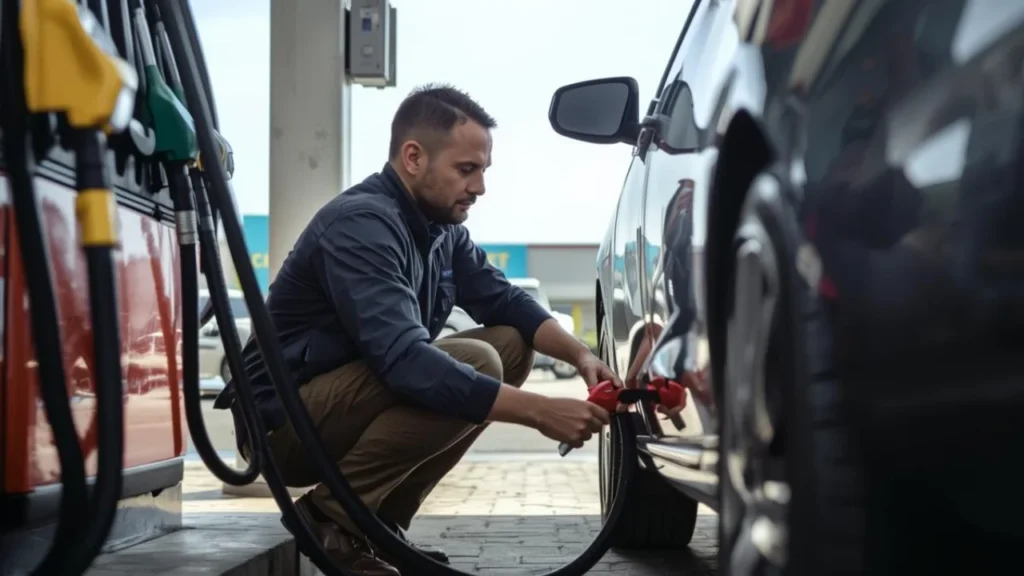
Under-inflated tyres are silent fuel killers. They increase rolling resistance, meaning your engine has to work harder just to move forward.
Why it matters: Properly inflated tyres can improve fuel economy by 3–5%. More importantly, Pakistan’s temperature swings—from cold winter mornings to scorching summer afternoons—significantly affect tyre pressure.
Practical tip: Make it a Sunday-morning routine to check the pressure at your local pump. Check when tyres are cold (before driving) for accurate readings. Don’t forget the spare tyre!
D. Regular Tune-Ups: Small Fixes, Big Savings
Worn spark plugs, faulty oxygen sensors, or old fuel filters all force your engine to compensate by using extra fuel.
Practical tip: Follow your service schedule strictly. In Pakistani conditions, servicing every 3,500–5,000 km or every 3–6 months is wiser than waiting for the 10,000 km mark recommended for ideal conditions.
Driving Techniques—How Your Habits Burn (or Save) Fuel
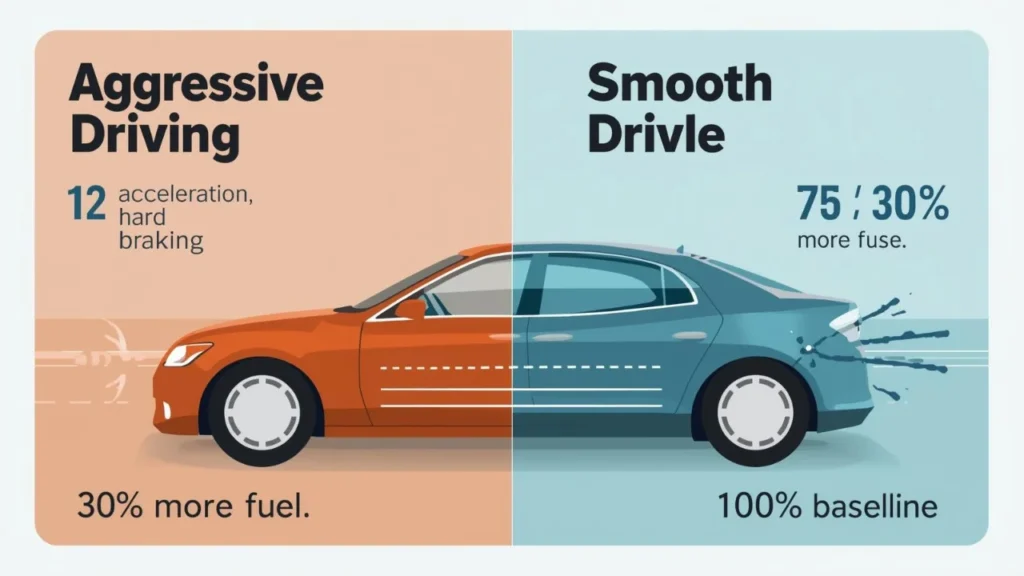
How you drive matters as much as what you drive. Ustad Amir, a mechanic in Islamabad’s Khadda Market, puts it perfectly: “Treat your car like a tea kettle—don’t keep it boiling when you don’t need it”.
A. The Traffic Jam Strategy
Karachi’s Shahrah-e-Faisal, Lahore’s Ferozepur Road, or Islamabad’s I.J. Principal Road—all share the same nightmare: idling in traffic.
Why it matters: Idling for more than 60 seconds burns more fuel than restarting your engine. A car engine consumes 1–1.5 litres of fuel per hour while idling.
Practical tip: At long traffic signals (common on major intersections), turn off your engine. Modern cars are designed for frequent restarts—it won’t damage your starter. The fuel saved during a 2-minute signal exceeds the tiny amount used for restarting.
B. Smooth Driving: The 20-Second Rule
Aggressive driving—rapid acceleration from stops and hard braking—is the fastest way to empty your tank.
Why it matters: Aggressive driving can reduce fuel economy by 15–30% on highways and 10–40% in stop-and-go traffic. Those rapid dashes between signals cost you dearly.
Practical tip: Imagine a raw egg between your foot and the accelerator pedal. Press gently, release gently. Anticipate traffic flow instead of racing to the next red light. Look 20 seconds ahead and adjust speed gradually.
C. Air Conditioning vs. Windows Down
The eternal Pakistani debate: AC on or windows down?
The science:
- Below 50–60 km/h: Open windows and turn off the AC. The aerodynamic drag from open windows at low speeds is minimal compared to the AC compressor load.
- Above 60 km/h (motorways/highways): Close windows and use AC. At high speeds, open windows create significant drag, increasing fuel consumption more than the AC does.
Practical tip: On motorways such as M-2 (Lahore-Islamabad) or M-9 (Karachi-Hyderabad), keep the windows closed. Use AC in “recirculation” mode to minimize cooling workload.
D. Steady Speed = Steady Savings
Every time you accelerate, you burn extra fuel to overcome inertia. Maintaining a constant speed keeps your engine in its most efficient operating range.
Practical tip: On highways, use cruise control if available. Without it, practice maintaining steady throttle pressure. Let your car coast to decelerate instead of braking hard—you’re using momentum you already paid for.
Smart Commuting—Planning for Efficiency
Driving smarter isn’t just about technique—it’s about planning. Pakistani cities have unique traffic patterns that you can exploit to save fuel.
A. Route Optimization: Avoiding “Nakkas”
Ferozepur Road at 5 PM, Sharea Faisal at rush hour, or Murree Road on Sunday evening—these are fuel consumption black holes.
Why it matters: Stop-and-go traffic in congested areas can cut fuel economy by half compared to free-flowing conditions.
Practical tip: Use Google Maps or local traffic apps to check congestion before leaving. A slightly longer route that maintains steady speed often uses less fuel than a shorter, jam-packed route. Plan trips outside peak hours when possible.
B. Combine Errands, Save Trips
Does one cold engine use more fuel than multiple short trips? Actually, yes—but with a caveat.
Why it matters: A cold engine consumes 20–50% more fuel during the first 5–10 minutes until it reaches operating temperature.
Practical tip: Combine multiple errands (groceries, pharmacy, school pickup) into one circular trip rather than multiple separate outings. This keeps your engine warm and reduces total distance travelled.
C. Lighten the Load
Pakistanis love carrying everything “just in case.” That heavy toolkit, spare batteries, water cooler, or cricket kit in the boot costs you fuel with every kilometre you drive.
Why it matters: Every 50 kg of extra weight increases fuel consumption by approximately 2%.
Practical tip: Clean out your boot monthly. Remove unnecessary items, especially for city driving, where you frequently accelerate from stops. For every kilogram you don’t carry, you save fuel.
D. Carpooling: The Unappreciated Saviour
With over 37 million registered vehicles in Pakistan, imagine if even 10% more carried multiple passengers.
Why it matters: Splitting fuel costs 4 ways means you pay 25% of what you would pay driving alone.
Practical tip: If you live in DHA, Gulberg, or F-7/8 and work nearby, coordinate with colleagues. Use office WhatsApp groups to find carpool partners. Even twice-weekly carpooling can significantly reduce your fuel bill.
Smart Fuel Buying—Getting More for Your Rupee
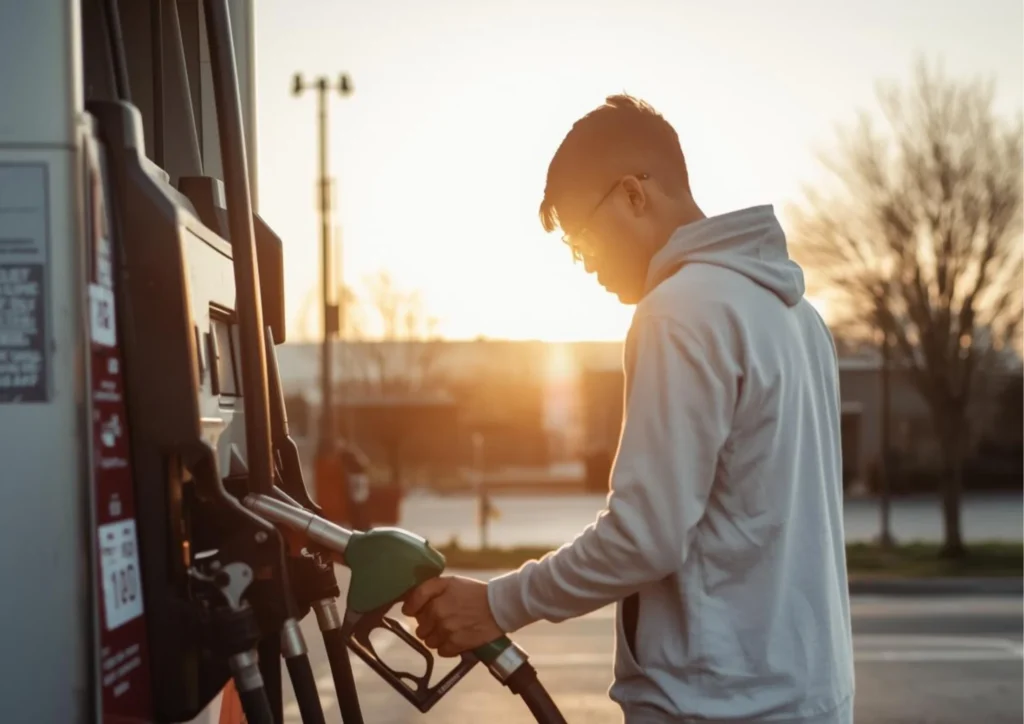
When and where you buy fuel matters as much as how you drive.
A. The “Cool” Fill-Up
This isn’t a myth—it’s physics. Fuel is dispensed by volume, but energy content depends on mass.
Why it matters: Liquids expand when warm, contract when cool. Fuel stored underground remains at a relatively constant temperature, but fuel in tanker trucks delivered during hot afternoons can be warmer.
Practical tip: Fill up in the early morning (6–8 AM) or late at night (after 10 PM) when ambient temperatures are lowest. You get slightly more dense fuel—meaning more energy per litre—for the same price.
B. Know Your Fuel’s Tax Breakdown
Understanding what you pay helps you appreciate why saving fuel matters.
As of February 2026:
- Petrol base price: Rs 258.17
- Government charges: ~Rs 124
- Tax component: 39% of total
Practical tip: When you save 10 litres of petrol per month, you’re also saving the nation Rs 1,240 in import costs and yourself Rs 2,581 in out-of-pocket expenses.
C. Track Prices, Time Your Purchases
Fuel prices change fortnightly—typically on the 1st and 16th of each month.
Practical tip: Check PetrolPricePakistan.com before heading to the pump. If a price drop is expected (such as the Rs 4–9 decrease predicted for December 2025), buy only enough fuel to last until the new rates take effect. If a hike is coming, fill up just before midnight.
Beyond Petrol—Alternative Options Worth Considering
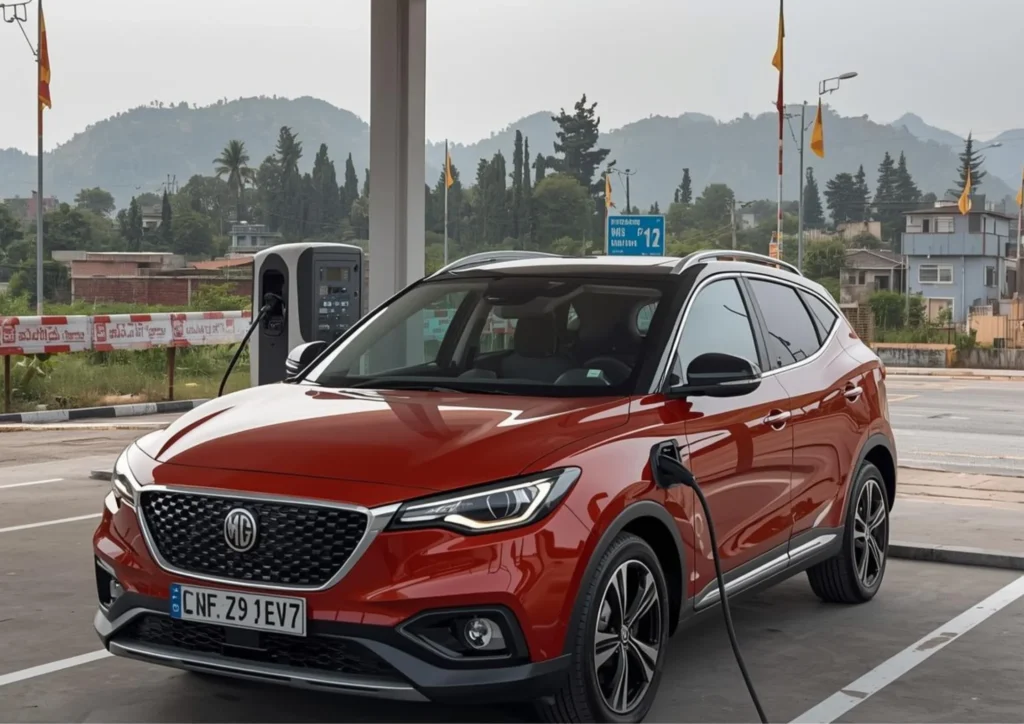
For long-term thinking, electrification offers an escape from fuel price volatility.
Electric Vehicles: The Math
With petrol at Rs 258+, electric vehicles present compelling economics :
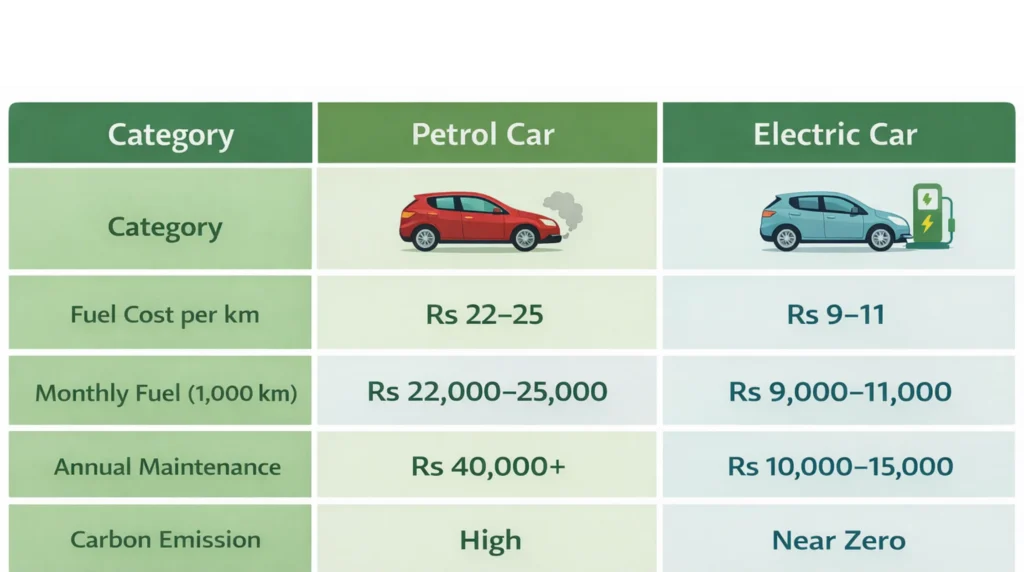
Why it matters: EVs can save up to 60% on fuel costs compared to conventional cars. Popular options like the G ZS EV and Jolta electric bikes are gaining traction in major cities
Challenges: Limited charging infrastructure remains an issue, though private companies and government initiatives are expanding networks in Lahore, Karachi, and Islamabad.
Fuel Price Impact—The Bigger Picture
Suggested Image: A simple chart showing Pakistan’s daily petrol consumption
Understanding the scale helps appreciate why individual savings matter collectively.
Pakistan’s Fuel Reality (from PetrolPricePakistan.com data):
- Registered Vehicles: 37+ million
- Daily Petrol Consumption: Millions of litres
- Impact of Rs 1 increase: Billions of rupees annually
Every time you save fuel, you’re not just helping your wallet—you’re reducing demand, which ultimately helps stabilise prices for everyone.
Frequently Asked Questions (FAQs)
1. Does using AC or opening windows save more fuel in Pakistani traffic?
It depends on speed. Below 50–60 km/h (city driving), open windows and turn off the AC. Above 60 km/h (motorways), closed windows with AC on are more efficient due to reduced aerodynamic drag.
2. Which octane rating is best for my car to save fuel?
Always follow your manufacturer’s recommendation (check the fuel cap or manual). For most 1300cc+ cars, RON 92 (standard petrol) is sufficient. Using a higher octane (RON 97) than required does not significantly improve mileage.
3. Is it true that filling up early in the morning gives more petrol?
Yes, scientifically accurate. Fuel expands with heat and contracts in the cold. Filling during cooler hours (early morning/late night) gives slightly denser fuel, hence more energy per litre for the same price.
4. How much fuel does CA’s AC actually consume?
AC increases fuel consumption by approximately 10–20%, depending on engine size and outside temperature. Smaller engines (660cc/800cc cars) feel the load more heavily.
5. Does driving in “Power Mode” or “Sports Mode” waste fuel?
Yes. These modes hold gears longer for higher RPMs, significantly increasing fuel consumption. For daily commuting, use “Eco Mode” or the default “Drive” mode.
6. How often should I service my car for good mileage in Pakistan?
Given dusty roads and weather conditions, service every 3,500–5,000 kilometres or 3–6 months, whichever comes first.
7. Will turning off the engine at long signals damage my starter?
No. Modern cars handle frequent restarts fine. If stopped for more than 60 seconds, turning off saves more fuel than restarting.
8. Do fuel additives or “petrol booster” bottles work?
Most local market additives aren’t necessary with quality fuel. Some high-quality injector cleaners help, but cheap ones offer no real benefit. Better to spend on regular maintenance.
9. Why do petrol and diesel prices vary slightly between cities?
The government sets the ex-depot price, but the final pump price includes freight charges, distribution margins, and dealer commissions. Cities farther from ports/refineries have slightly higher transport costs.
10. How can I check the latest fuel prices in my city?
Visit Petrol Price in Pakistan for OGRA-notified prices across Karachi, Lahore, Islamabad, Faisalabad, Multan, Rawalpindi, and other cities. Prices update fortnightly after government announcements.
Conclusion: Small Changes, Big Savings
Fuel efficiency isn’t about one magic trick—it’s about combining multiple small habits that together transform your fuel budget.
Recap the essentials:
- Maintain your vehicle—clean air filters, correct tyre pressure, quality oil
- Drive smoothly—gentle acceleration, anticipate traffic, avoid idling
- Plan smartly—combine trips, avoid peak hours, lighten your load
- Buy wisely—fill up during cool hours, track price changes
The average Pakistani driver implementing these tips can save 15–20% on fuel. At current prices, that’s enough for one free tank every 5–6 fill-ups.
Your next step: Bookmark PetrolPricePakistan.com to check the latest fortnightly updates before heading to the pump. Share these tips with friends and family—when we all save fuel, we all win.
Article by Tahir Subhani
Sources: OGRA notifications, Ministry of Petroleum, expert interviews