
March 5, 2026
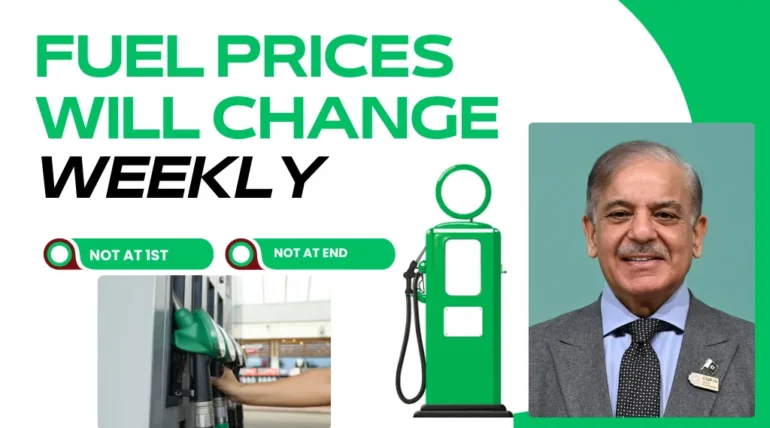
In response to escalating Middle East tensions following the US-Israel attack on Iran, Pakistani authorities are actively considering a shift from the current fortnightly mechanism to a weekly review system for petroleum product prices.
According to sources cited by ARY News, various proposals are under discussion, with officials consulting on a pricing model similar to the one adopted during the COVID-19 period.
Why the Change?
The main driver behind moving to weekly adjustments is to prevent dealers from hoarding, particularly when price increases are anticipated. Concerns have been raised that fuel retailers may stockpile supplies if they expect a significant upward revision.
Current Context
- The Strait of Hormuz closure has disrupted global oil markets
- Pakistan’s majority fuel imports transit through this chokepoint
- The government’s 19-member high-level committee is monitoring daily
Potential Price Impact
If prevailing tensions persist, sources indicate severe potential increases:
| Fuel | Potential Increase |
| Petrol | Up to Rs 20 per litre |
| High-Speed Diesel | Up to Rs 45 per litre |
These would be in addition to the Rs 8 per litre hike already implemented on March 1, 2026.
Government Assurances
Finance Minister Muhammad Aurangzeb briefed the Senate Committee on Finance, providing key reassurances:
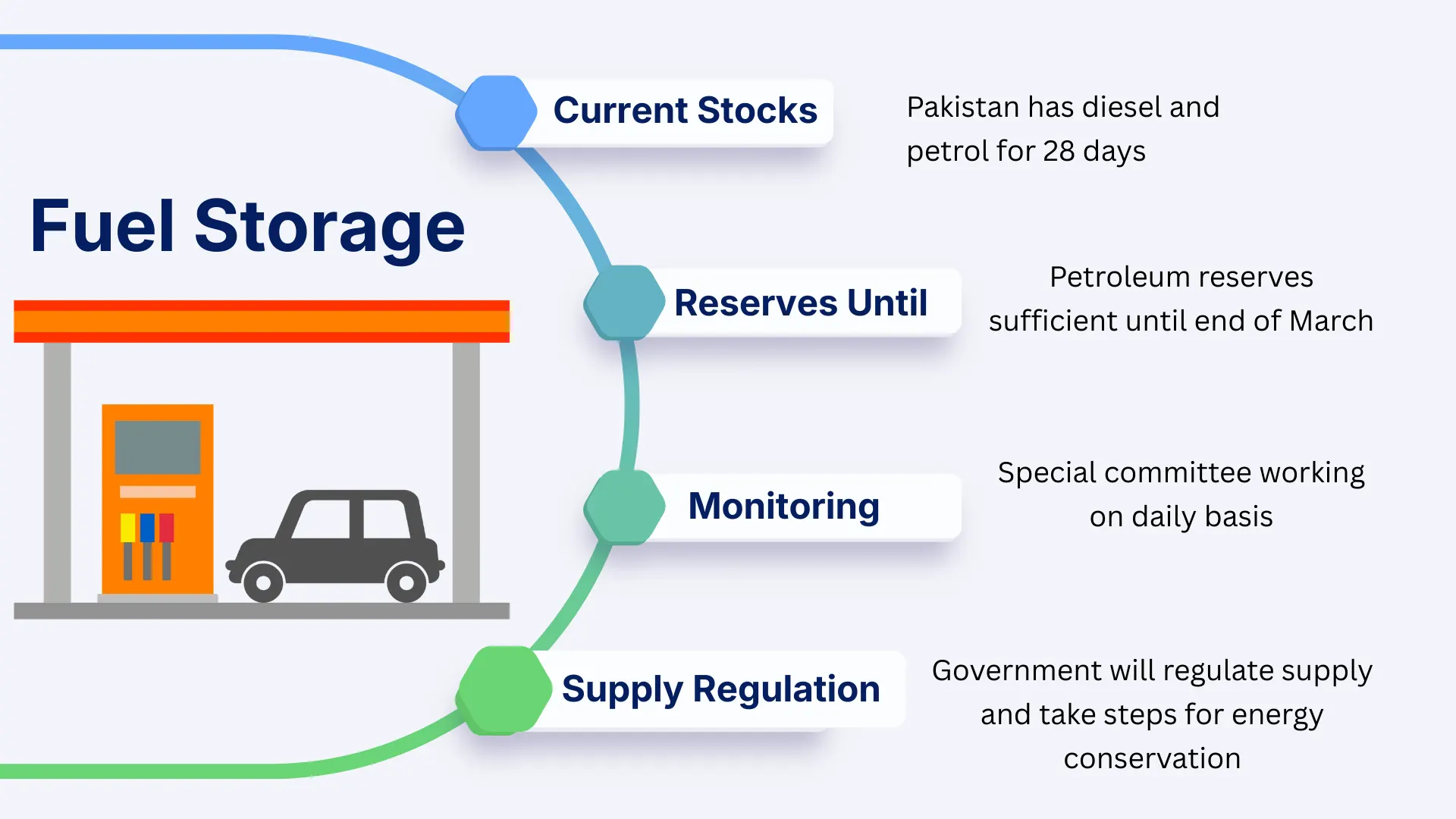
The minister emphasized, There is no shortage of oil and gas in the country. People should also follow energy conservation.
How Weekly Reviews Would Work
Prices would be reviewed weekly instead of the current fortnightly cycle.
Advantages
- Faster response to global price fluctuations
- Reduced incentive for dealer hoarding
- More accurate reflection of market realities
Potential Challenges
- Increased administrative burden on OGRA
- More frequent price changes for consumers
- Possible volatility in consumer confidence
What This Means for Consumers
Short-Term
- No immediate change – proposal still under discussion
- Prices remain at current levels (Petrol: Rs 266.17, Diesel: Rs 280.86)
- No shortage – the government has assured adequate stocks
If Implemented
- More frequent price updates (every Thursday/Friday)
- Faster pass-through of global price changes
- Potentially smaller but more frequent adjustments
Official Statements
Finance Minister Muhammad Aurangzeb (to Senate Committee):
There is no shortage of oil and gas in the country. People should also follow energy conservation. The prime minister has constituted a special committee to monitor petroleum products, which is meeting daily. The country has petroleum reserves for up to the end of March. Key decisions will be taken urgently.
Government Sources (via ARY News):
The primary objective behind moving to weekly price adjustments is to prevent dealers from hoarding, particularly in anticipation of potential price increases. If prevailing tensions persist, petrol prices could rise by up to Rs 20 per litre, while diesel may increase by as much as Rs 45 per litre.
Quick Comparison: Current vs Proposed System
| Feature | Current System | Proposed System |
| Review Frequency | Fortnightly (1st & 16th) | Weekly |
| Similar to | Standard practice | COVID-19 pandemic model |
| Primary Benefit | Stability | Prevents hoarding |
| Response Time | 15 days | 7 days |
Frequently Asked Questions
1. Has the government decided to switch to weekly reviews?
Not yet. The proposal is under discussion, with several options under consideration. No formal notification has been issued.
2. Why is this being considered now?
The closure of the Strait of Hormuz following the US-Israel attack on Iran has created unprecedented volatility, making faster price adjustments potentially necessary.
3. Will weekly reviews mean higher prices?
Not necessarily. Weekly reviews mean faster adjustments—both up and down. If global prices fall, consumers could see relief sooner.
4. Is there a fuel shortage in Pakistan?
No. Finance Minister Aurangzeb confirmed to the Senate that Pakistan has 28 days of stocks and reserves sufficient until the end of March.
5. How much could prices increase if tensions continue?
Sources warn of potential increases of up to Rs 20 for petrol and Rs 45 for diesel, on top of current prices.
6. When will a decision be made?
The government’s special committee is monitoring daily and will take “key decisions urgently”.
Conclusion
Pakistan’s potential shift to weekly fuel price reviews reflects the extraordinary circumstances created by the Middle East crisis. While no decision has been finalized, the very fact that it’s under consideration signals the government’s recognition of unprecedented volatility in global oil markets.
For consumers:
- No immediate change – continue normal filling habits
- No shortage – the government has assured adequate stocks
- Stay informed – check Petrol Price Pakistan for real-time updates
Final Word from Finance Minister:
“If the regional tensions continued, we would take steps to tackle the impact of tensions.”